“`html
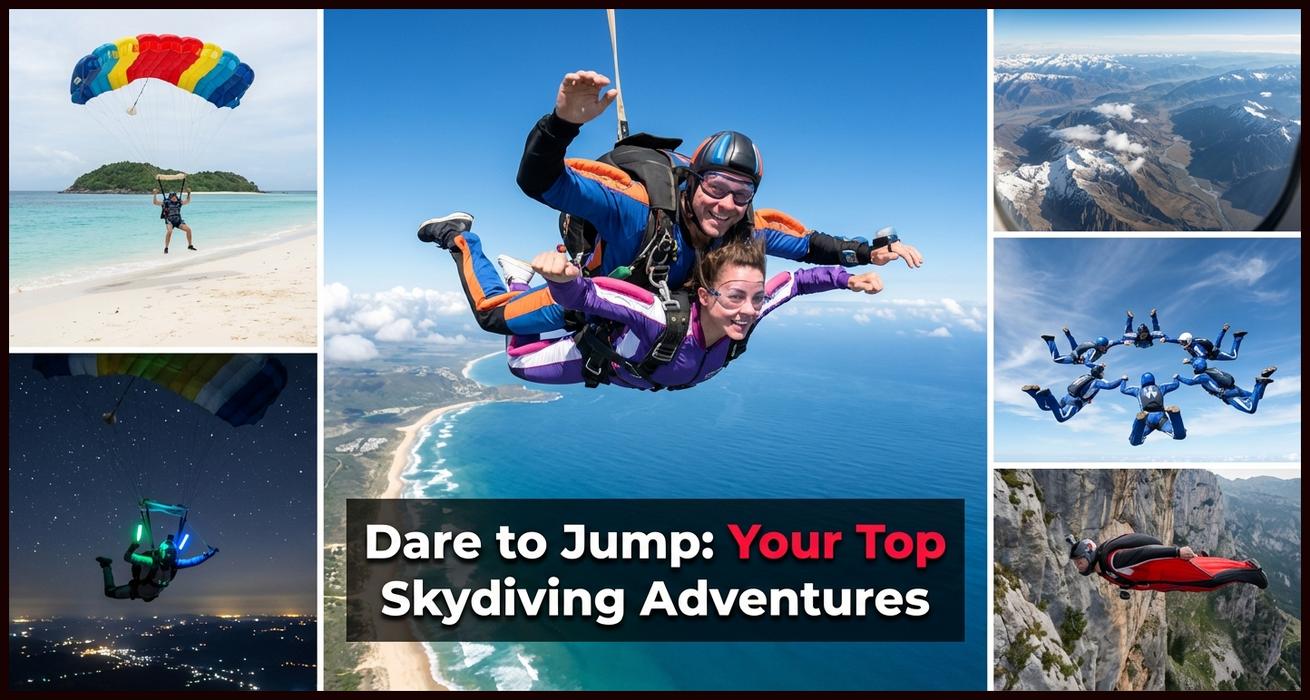
Hello Readers, get ready to dive into the ultimate guide for thrill-seekers! As we approach 2026, the world of parachuting offers more breathtaking opportunities than ever before. If you’ve ever dreamt of soaring through the skies and experiencing an adrenaline rush like no other, you’re in the right place. This article will take you through the top 30 incredible parachuting adventures and skydiving experiences you absolutely need to try. Prepare to be inspired for your next air adventure!
1. Tandem Skydive for First-Timers
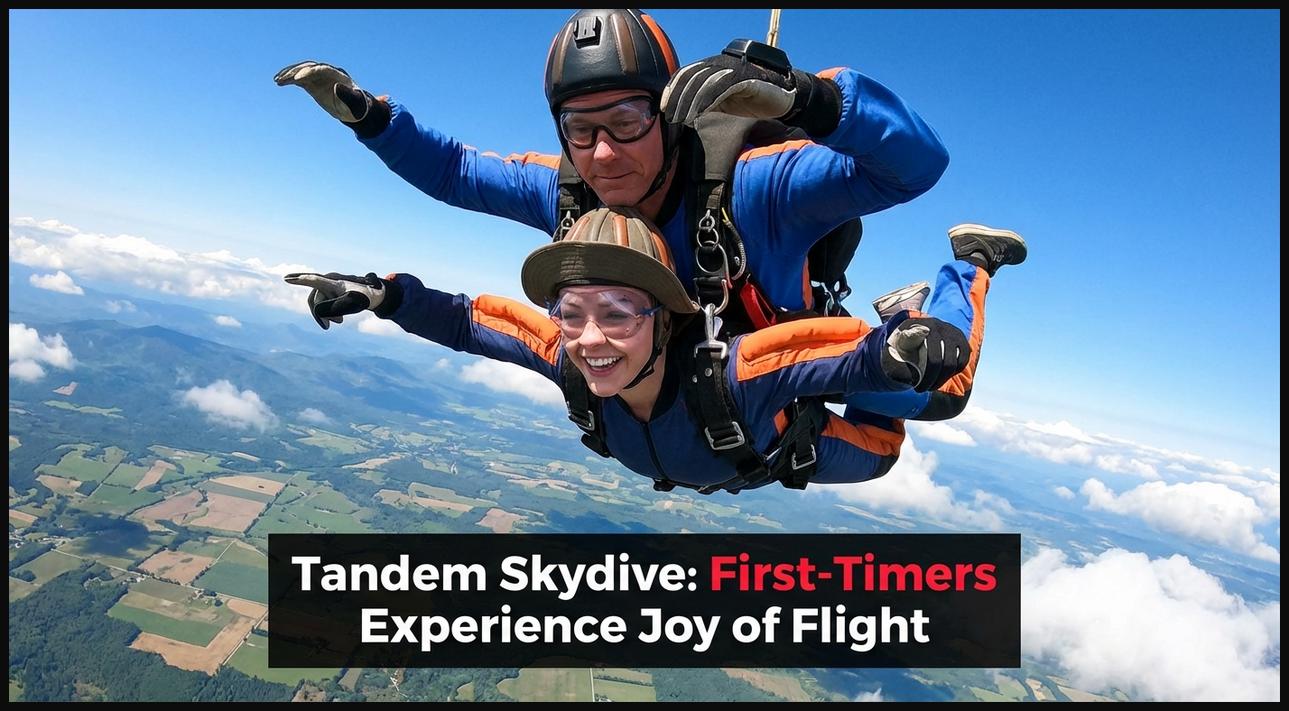
For those new to the world of flight, a tandem skydive is the perfect introduction to parachuting. You’re securely harnessed to an experienced instructor who handles all the technical aspects, allowing you to simply enjoy the freefall and the stunning views. It’s a fantastic way to overcome fears and experience the sheer joy of flight without extensive training.
This beginner-friendly option provides maximum safety and professional guidance, making your initial skydiving adventures unforgettable. Imagine the feeling of wind rushing past you as you descend, culminating in a gentle parachute ride to the ground. It’s an adventure that leaves you with lasting memories and a sense of accomplishment.
| Feature | Detail |
|---|---|
| Experience Level | Beginner |
| Guidance | Instructor-led |
| Thrill Factor | High |
2. Solo Freefall Progression (AFF)

Ready to take control? The Accelerated Freefall (AFF) program teaches you to skydive solo. Starting with instructors by your side, you progressively learn the skills to jump independently. This method provides comprehensive training in freefall body control, canopy piloting, and emergency procedures.
It’s a challenging yet incredibly rewarding path for aspiring solo jumpers. By 2026, many drop zones offer advanced AFF courses that integrate virtual reality simulations, enhancing learning and safety. This progression path builds confidence and independence in the air.
| Feature | Detail |
|---|---|
| Experience Level | Intermediate |
| Training Duration | Multiple Jumps |
| Autonomy | High |
3. Beach Landing Skydiving
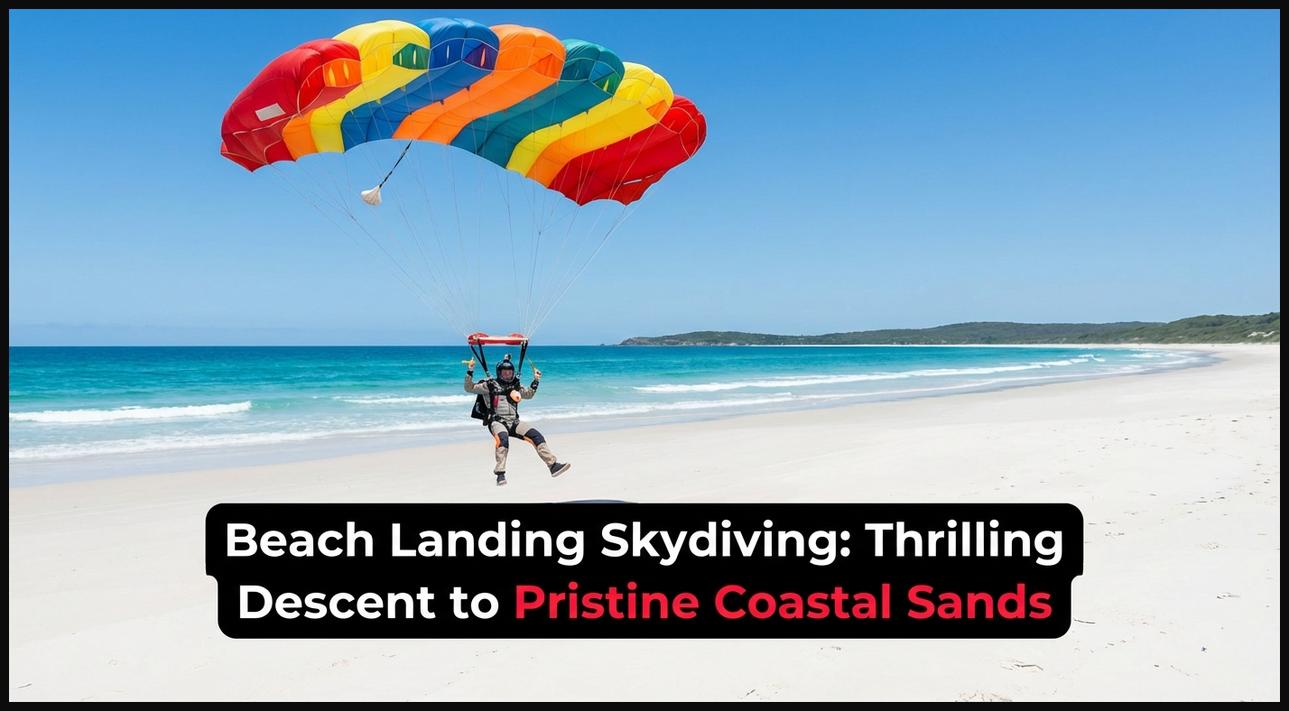
Imagine jumping from an airplane and landing softly on a pristine sandy beach. Beach landing skydiving combines the thrill of freefall with picturesque coastal scenery. Locations around the world offer this unique experience, providing stunning views of the ocean and coastline during your descent.
This adventure is perfect for those seeking a scenic jump with a memorable touchdown. The serene environment of a beach landing contrasts beautifully with the adrenaline of the jump. It’s a popular choice for those looking for best places to skydive with added aesthetic appeal.
| Feature | Detail |
|---|---|
| Landing Site | Beach |
| Scenery | Coastal |
| Uniqueness | High |
4. Mountain Peak Skydiving

For the ultimate panoramic views, mountain peak skydiving takes you above majestic ranges. Jumping with snow-capped peaks below and expansive valleys stretching into the distance creates an unparalleled visual spectacle. These jumps often involve higher altitudes, giving you more freefall time.
Such adventures are available in select mountainous regions, offering a dramatic backdrop to your flight. The crisp mountain air and the vastness of the landscape make this a truly epic parachuting experience. It’s an unforgettable way to see some of the world’s most incredible natural formations.
| Feature | Detail |
|---|---|
| Terrain | Mountains |
| Altitude | Higher |
| Views | Panoramic |
5. Urban Cityscape Jumps
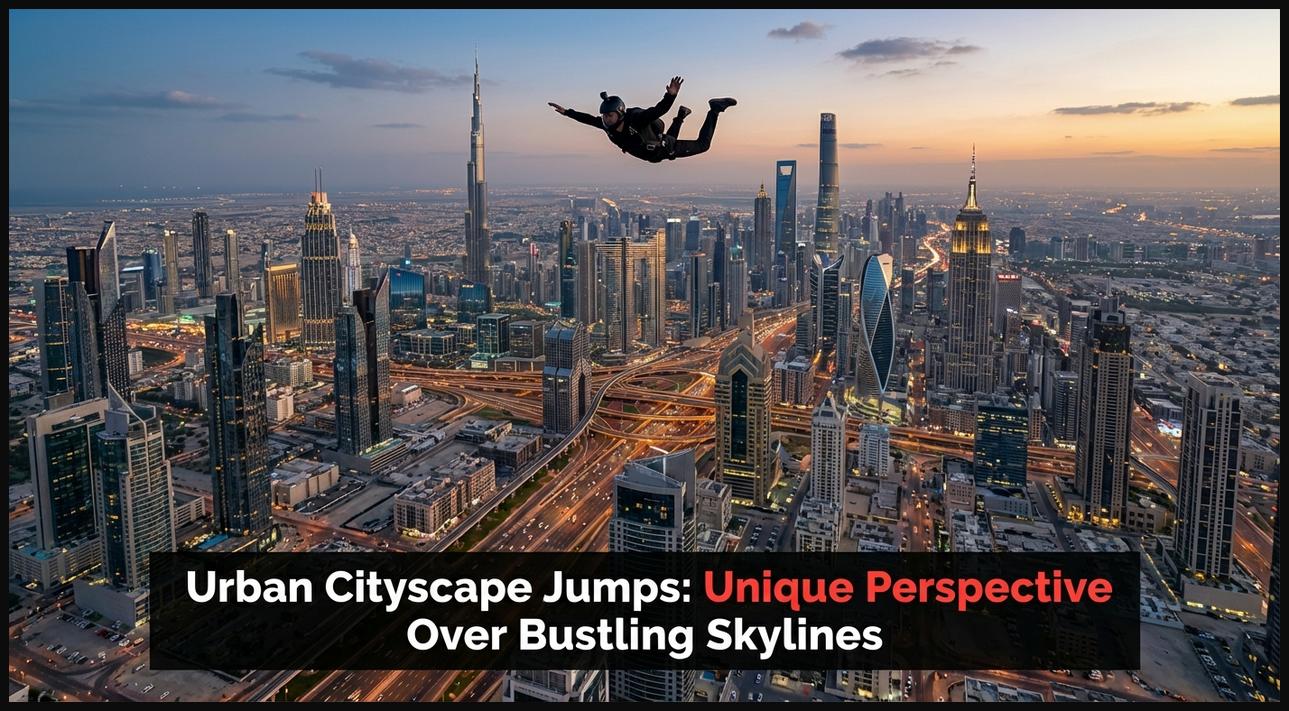
Experience the unique perspective of freefalling over a bustling city. While restricted to specific locations and events due to safety regulations, urban cityscape jumps offer a rare view of iconic skylines and architectural marvels. Imagine seeing skyscrapers from an entirely new angle.
These specialized jumps are often part of organized events in 2026, providing a truly distinctive parachuting experience. The vibrant energy of the city below adds an extra layer of excitement to your descent, making it a truly modern adventure.
| Feature | Detail |
|---|---|
| Location | City |
| Accessibility | Limited |
| View Type | Skylines |
6. Desert Skydiving Expeditions
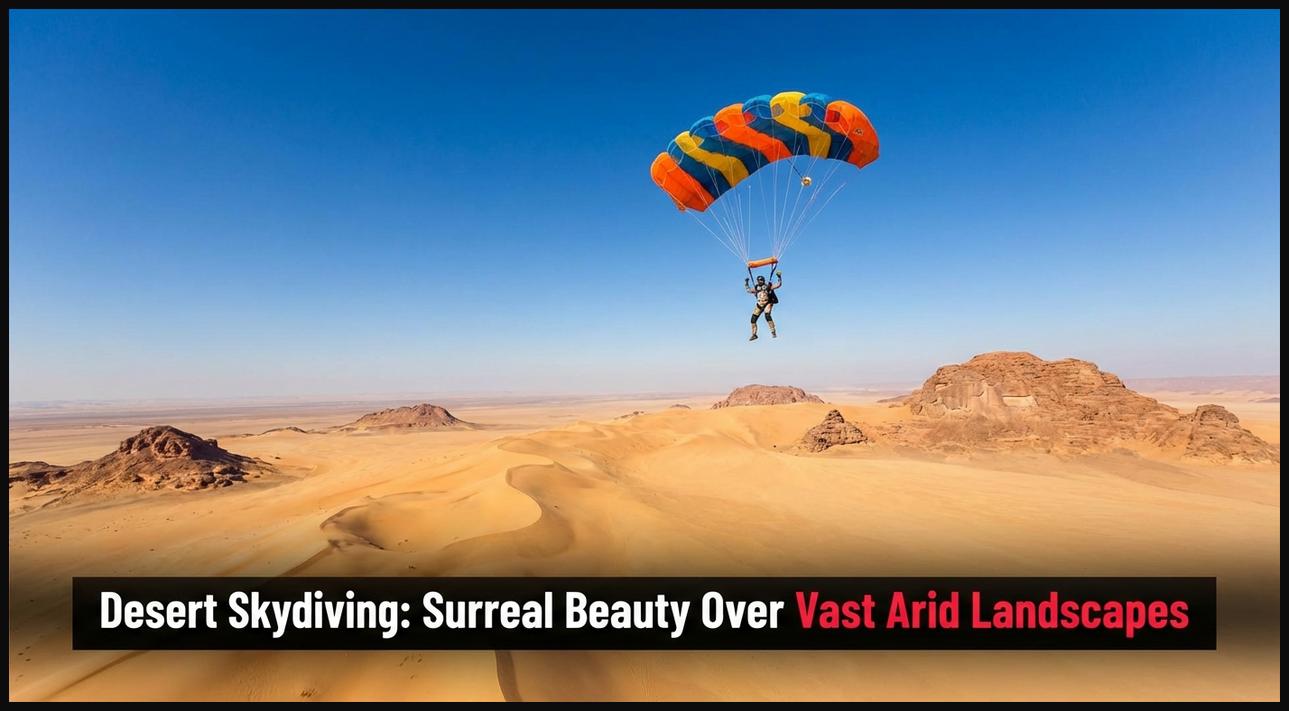
Jumping over vast, arid deserts offers a surreal and stunning landscape. The golden sands, unique rock formations, and clear blue skies create an incredible visual contrast during your skydive. Desert drops are known for their calm air conditions, often ideal for smooth descents.
These expeditions provide an exotic twist to traditional skydiving. The silence and expansive beauty of the desert from thousands of feet up are truly awe-inspiring. It’s an adventure that combines the thrill of a jump with the majesty of a unique ecosystem.
| Feature | Detail |
|---|---|
| Environment | Desert |
| Scenery | Arid Landscapes |
| Air Conditions | Calm |
7. Night Skydiving Adventures
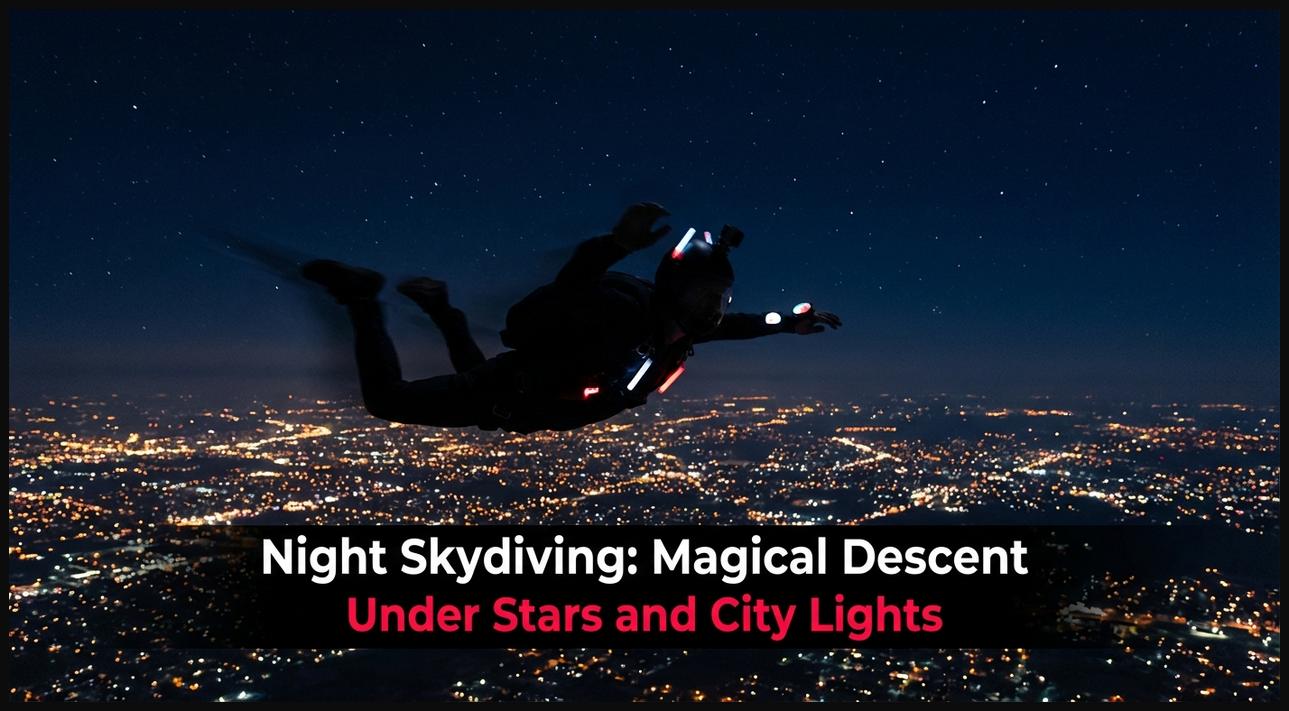
For an experience unlike any other, try night skydiving. Jumping under the cover of darkness, with city lights twinkling below and stars above, transforms the familiar into something magical. Special equipment like light-up altimeters and glow sticks are used for safety.
This advanced adventure offers a serene yet exhilarating perspective. The visual cues change dramatically, relying more on your senses of balance and sound. It’s an unforgettable way to experience parachuting, offering a peaceful descent through the nocturnal sky.
| Feature | Detail | Time of Day | Night |
|---|---|---|---|
| Equipment | Specialized | ||
| Atmosphere | Serene/Magical |
8. High Altitude Low Opening (HALO) Jumps

HALO jumps originate from military operations, involving extremely high altitudes (often 25,000 feet or more) and very late parachute deployment. This results in extended freefall times, sometimes lasting several minutes, pushing the limits of human flight.
Requires specialized equipment, oxygen, and extensive training due to the extreme conditions. It’s a highly technical and demanding form of parachuting, reserved for experienced jumpers. The extended freefall offers an unparalleled sense of soaring.
| Feature | Detail |
|---|---|
| Altitude | Extreme |
| Freefall | Extended |
| Skill Level | Advanced |
9. High Altitude High Opening (HAHO) Jumps
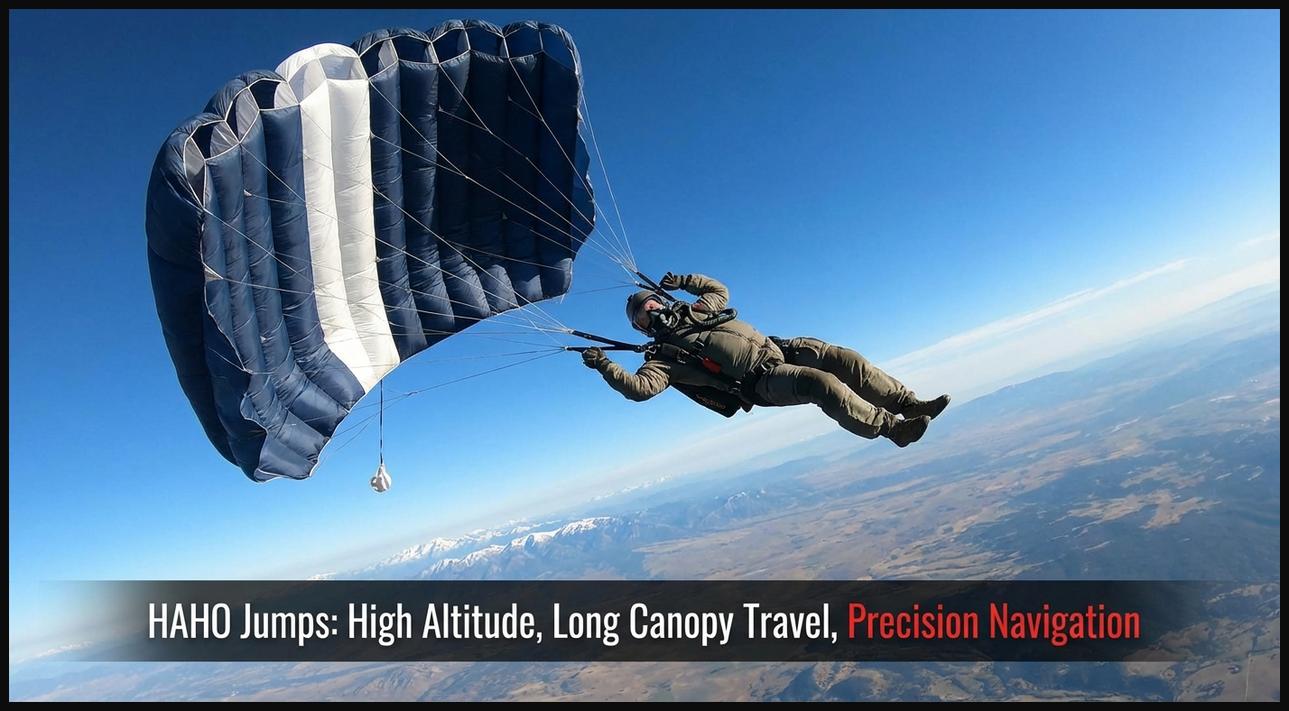
Another military-derived technique, HAHO jumps also start from high altitudes but involve deploying the parachute much sooner. This allows skydivers to travel significant horizontal distances under canopy, often for covert insertions.
Like HALO, HAHO requires specialized training and equipment, including oxygen. The focus here is on precision navigation and long-distance travel while under a deployed parachute. It offers a unique combination of high-altitude exposure and controlled flight, great for advanced skydiving adventures.
| Feature | Detail |
|---|---|
| Altitude | Extreme |
| Canopy Time | Extended |
| Navigation | Precision |
10. Wing Suit Flying (Proximity Flying)
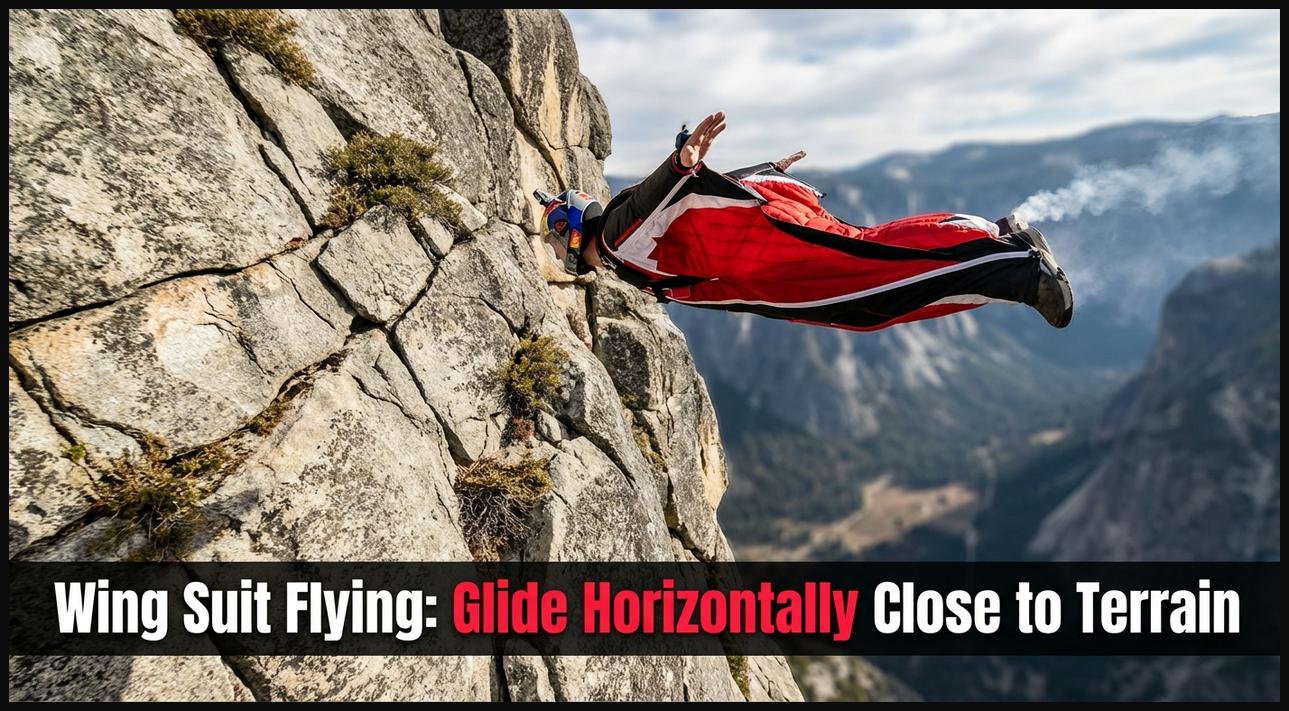
Wing suit flying is the closest humans can get to actual flight without an engine. Wearing a specialized suit that adds surface area, jumpers can glide horizontally at incredible speeds and cover vast distances. Proximity flying takes this further, soaring dangerously close to terrain.
This is an extremely advanced and high-risk discipline, requiring thousands of conventional skydives and specific training. The sensation of truly flying and navigating through the air is profound, appealing to the most experienced adrenaline junkies in 2026.
| Feature | Detail |
|---|---|
| Equipment | Wing Suit |
| Skill Level | Expert |
| Risk Factor | Very High |
11. Formation Skydiving (Belly Flying)
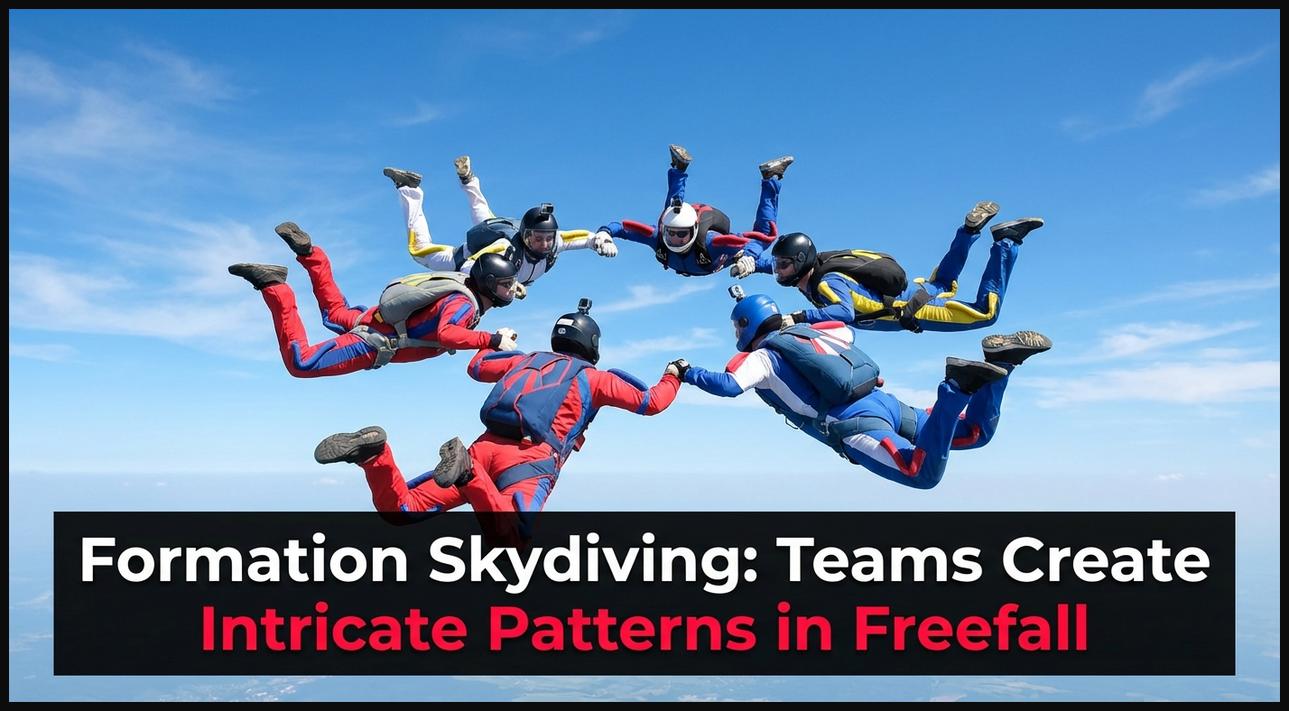
Formation skydiving involves multiple jumpers creating intricate patterns in freefall while flying on their bellies. Teams practice extensively to achieve complex formations, sometimes involving dozens of skydivers linking up mid-air. It’s a highly social and skilled aspect of the sport.
This discipline emphasizes teamwork, precision, and body control. Competitions are held worldwide, showcasing incredible aerial choreography. It’s a fantastic way to engage with the skydiving community and push your skills beyond solo jumps, a true highlight of group skydiving adventures.
| Feature | Detail |
|---|---|
| Format | Team |
| Body Position | Belly |
| Objective | Create Formations |
12. Vertical Formation Skydiving (Head-Up/Head-Down)
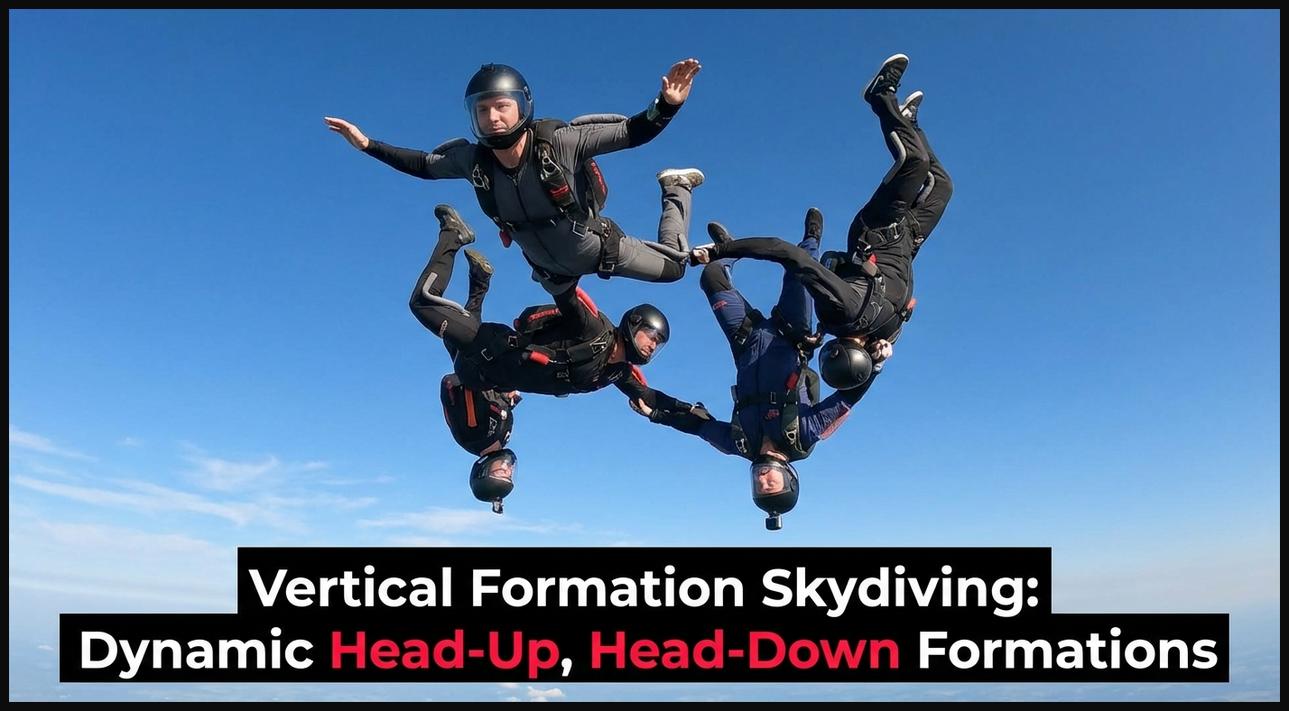
Taking formation skydiving to a new dimension, VFS involves jumpers flying in vertical orientations, either head-up or head-down. This requires exceptional body control and speed, creating dynamic and challenging aerial formations. It’s often seen as the next level after belly flying.
VFS is a demanding discipline that offers incredible speed and a different perspective during freefall. Teams can achieve stunning vertical patterns, pushing the boundaries of human flight dynamics. It truly showcases the athleticism required for advanced parachuting.
| Feature | Detail |
|---|---|
| Format | Team |
| Body Position | Vertical |
| Complexity | High |
13. Freeflying (3D Formations)
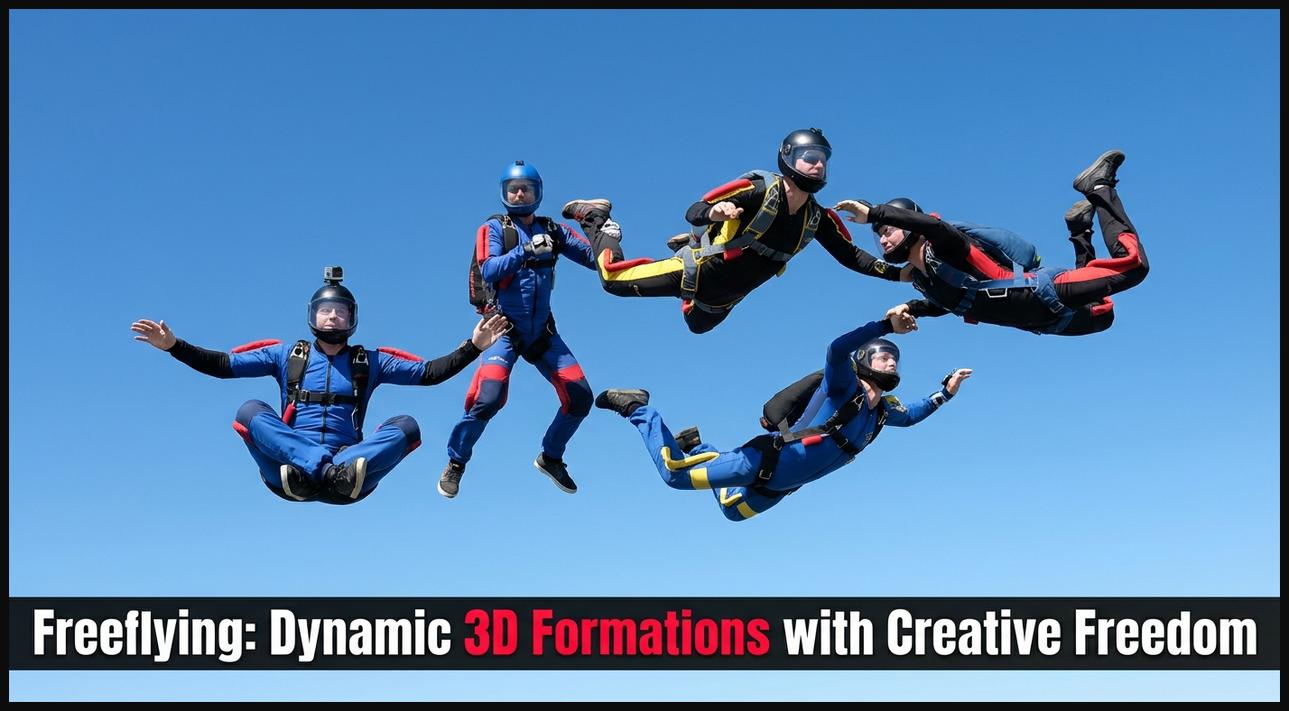
Freeflying encompasses all orientations in freefall – belly, back, sit, and stand. Jumpers can fly in dynamic, three-dimensional formations, often involving complex acrobatic maneuvers. This style offers immense creative freedom and demands mastery of body flight.
It’s a highly expressive and exhilarating form of skydiving, allowing individuals and teams to explore the full spectrum of aerial movement. Freeflying opens up endless possibilities for mid-air artistry and dynamic interaction. This is where personalized skydiving adventures truly shine.
| Feature | Detail |
|---|---|
| Body Position | All Orientations |
| Creativity | High |
| Formations | 3D Dynamic |
14. Canopy Relative Work (CRW)
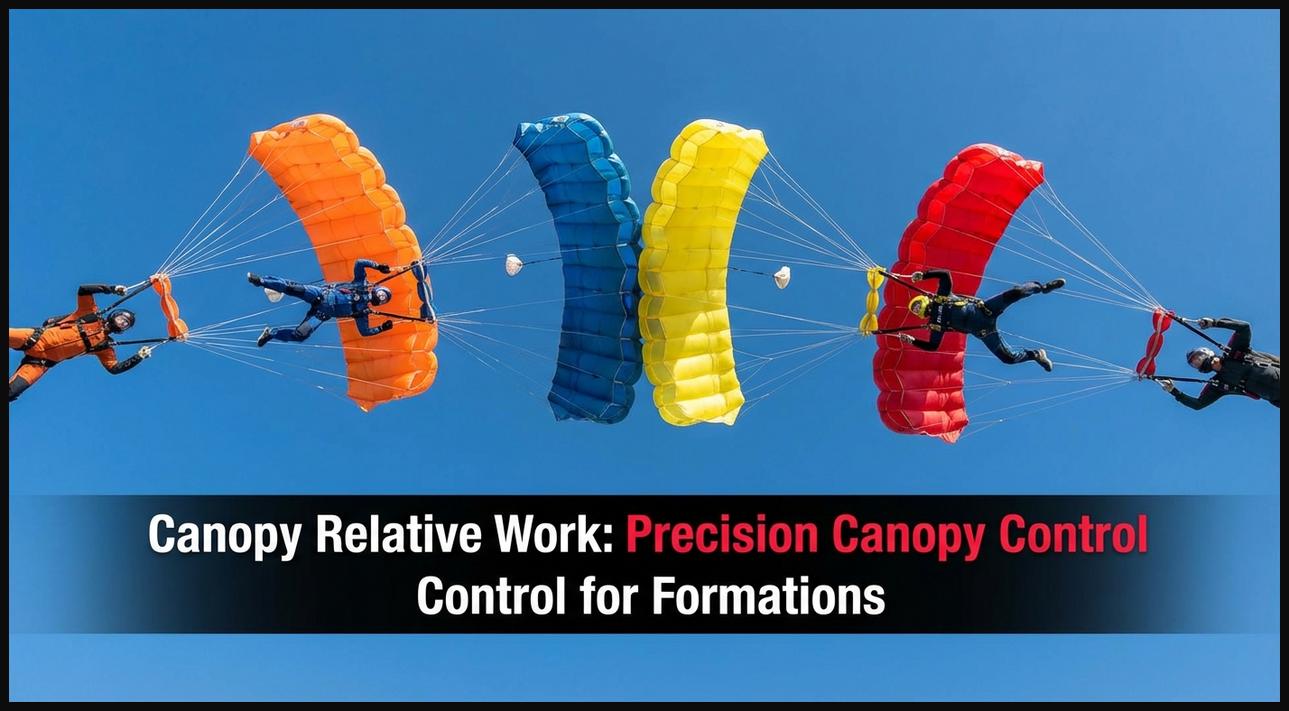
CRW involves skydivers flying their deployed parachutes in close proximity to create formations. Jumpers “dock” their canopies to form complex patterns, sometimes even standing on another’s parachute. It’s a delicate and highly skilled discipline requiring precise canopy control.
This unique form of skydiving demands excellent judgment and coordination, often performed by experienced canopy pilots. The focus is on precision and aerial teamwork under parachute. CRW events in 2026 continue to push the boundaries of canopy control and formation flying.
| Feature | Detail |
|---|---|
| Phase | Canopy |
| Objective | Formations |
| Skill Level | Advanced |
15. Speed Skydiving
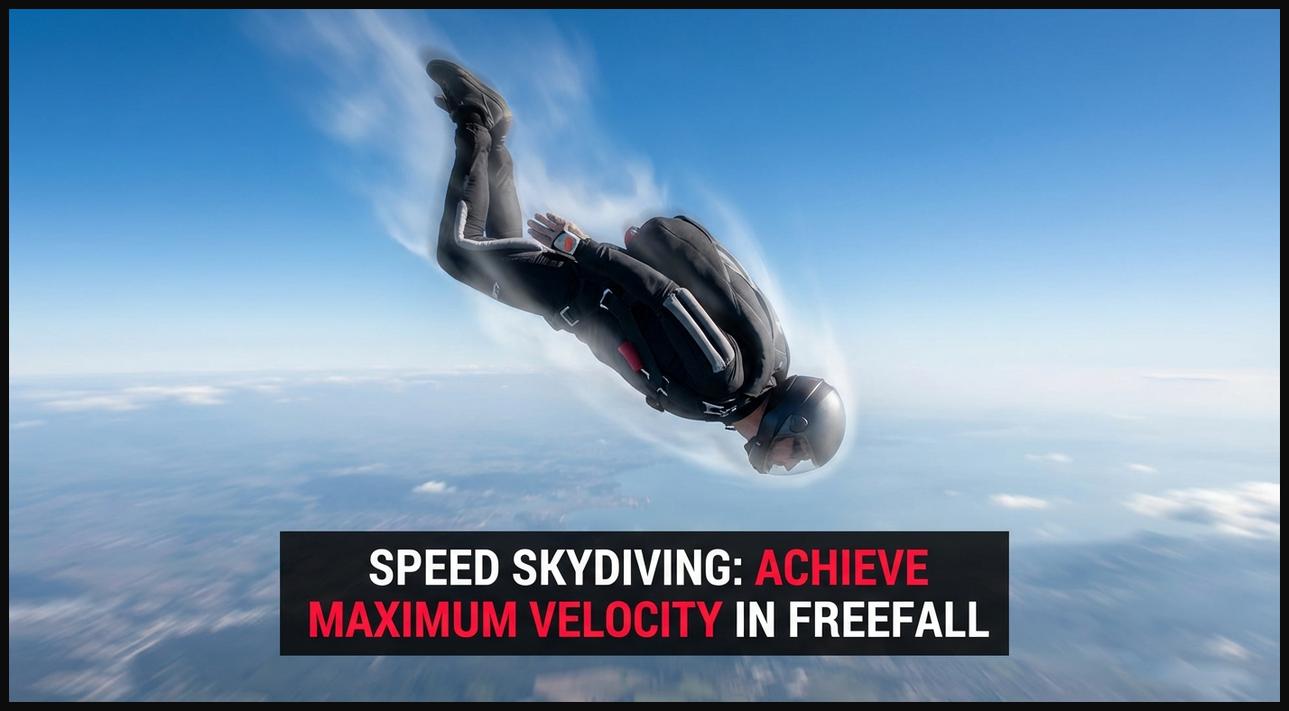
For those who crave raw velocity, speed skydiving is about achieving the fastest possible freefall speeds. Jumpers streamline their bodies to minimize drag, plummeting towards the earth at speeds exceeding 300 miles per hour. It’s a pure test of aerodynamics and nerve.
This niche discipline is highly competitive, with participants aiming to break world records. The sensation of such incredible acceleration is truly unique in parachuting. It’s an extreme sport that pushes the limits of human speed in a controlled environment.
| Feature | Detail |
|---|---|
| Objective | Max Speed |
| Technique | Streamlining |
| Thrill Factor | Extreme |
16. Artistic Skydiving (Freestyle/Skysurf)
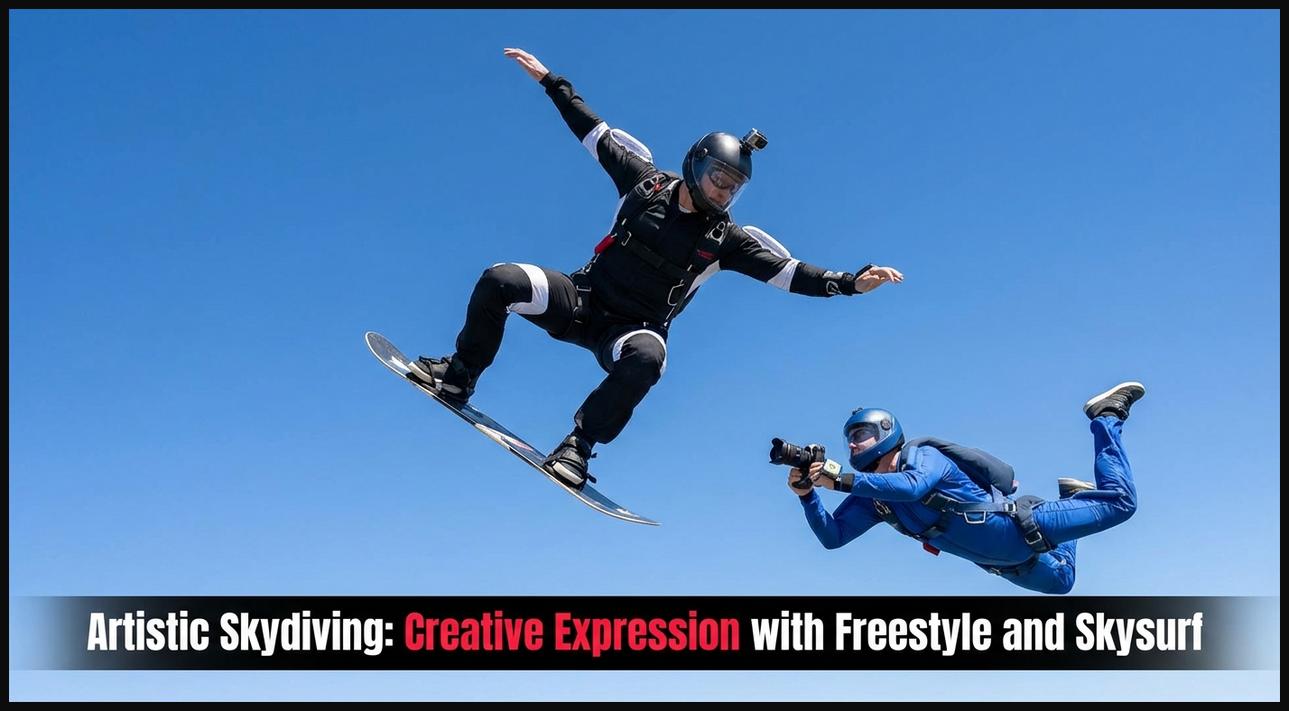
Artistic skydiving allows jumpers to express themselves creatively in freefall. Freestyle involves acrobatic maneuvers, twists, and turns, often filmed by another skydiver. Skysurfing involves jumping with a board attached to the feet, performing surf-like tricks in the air.
These disciplines combine athletic prowess with artistic expression, creating stunning aerial performances. They are popular in competitions, showcasing individual style and skill. It’s a beautiful way to interact with the environment during skydiving adventures.
| Feature | Detail |
|---|---|
| Style | Creative |
| Disciplines | Freestyle, Skysurf |
| Focus | Expression |
17. BASE Jumping (Buildings, Antennas, Spans, Earth)
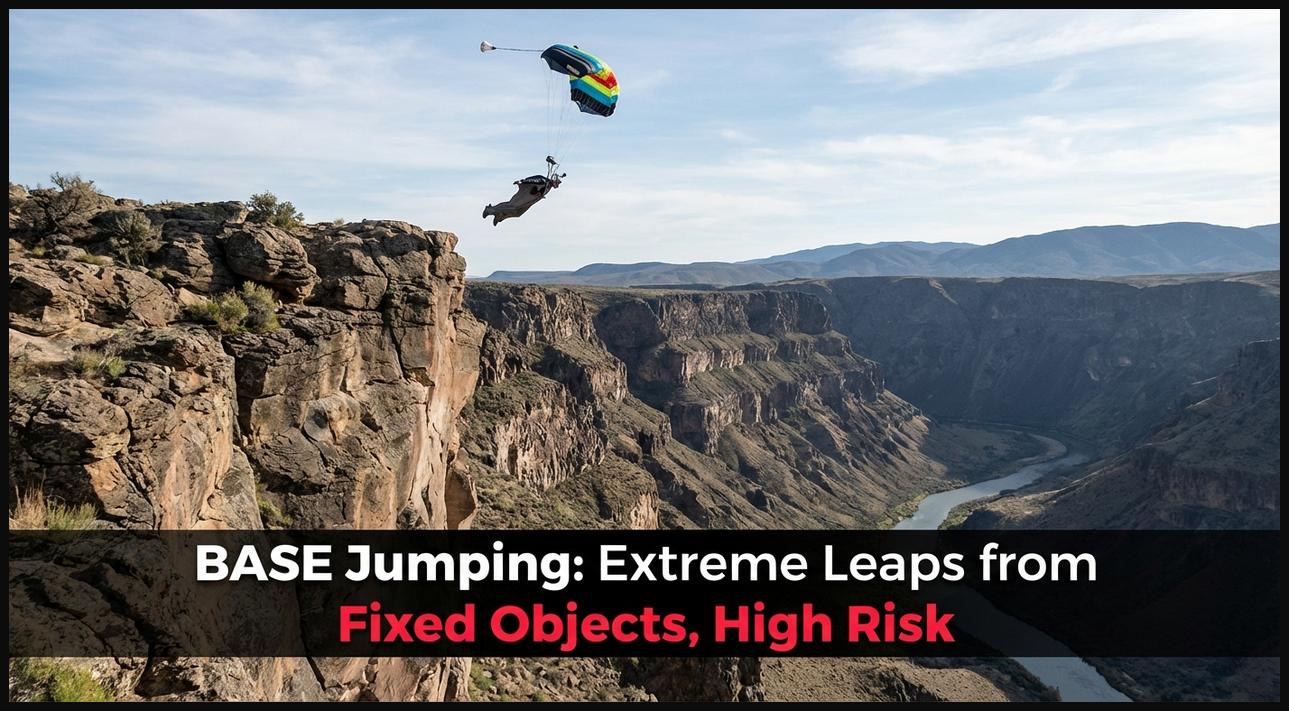
BASE jumping is the ultimate extreme sport, involving jumps from fixed objects rather than aircraft. The acronym stands for Buildings, Antennas, Spans (bridges), and Earth (cliffs). It’s incredibly dangerous and requires immense skill, experience, and specialized equipment.
With much lower altitudes and shorter deployment times, BASE jumping offers almost no margin for error. It is not generally considered “parachuting” in the same category as skydiving, but is often grouped in extreme air sports. Most BASE jumpers are highly experienced skydivers.
| Feature | Detail |
|---|---|
| Launch Point | Fixed Objects |
| Altitude | Low |
| Risk Factor | Highest |
18. Paragliding Acro
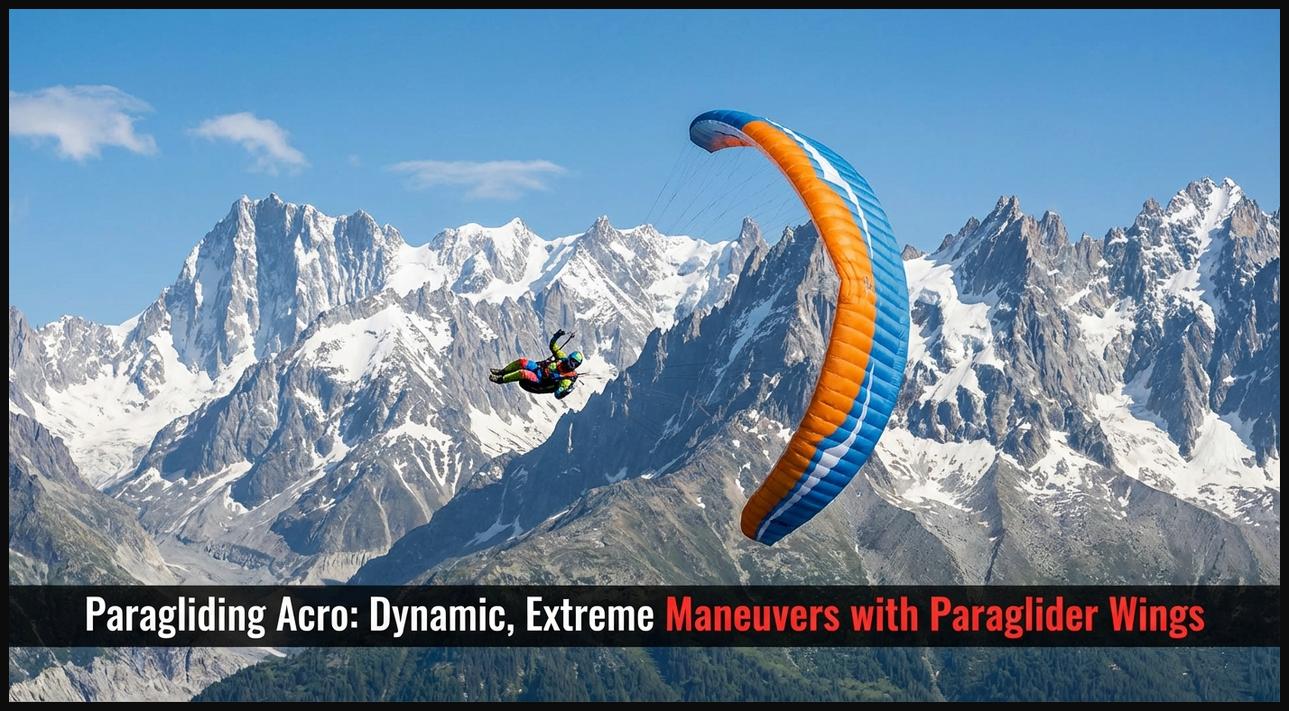
While not strictly “parachuting,” paragliding acro involves performing dynamic, often violent, maneuvers with a paraglider wing. Pilots execute spins, tumbles, and intricate aerial dances close to the ground, pushing the limits of their equipment and skill.
This is a highly specialized and dangerous form of paragliding, requiring years of experience. The precision and control needed are immense, creating a spectacular aerial show for onlookers. It’s a different form of air adventure, focusing on artistic control rather than freefall.
| Feature | Detail |
|---|---|
| Equipment | Paraglider |
| Style | Acrobatic |
| Skill Level | Expert |
19. Hot Air Balloon Jumps

Jumping from a hot air balloon offers a unique and serene start to your freefall. Without the noise and turbulence of an airplane, the exit is calm and silent, allowing for a moment of peace before the exhilarating descent. It’s a highly sought-after parachuting experience.
These jumps are often done from lower altitudes than typical skydives but provide a completely different perspective. The gentle ascent in the balloon and the quiet exit create a memorable contrast to the rush of freefall. It’s a tranquil yet thrilling adventure.
| Feature | Detail |
|---|---|
| Launch Platform | Hot Air Balloon |
| Exit Experience | Silent |
| Uniqueness | High |
20. Helicopter Skydiving
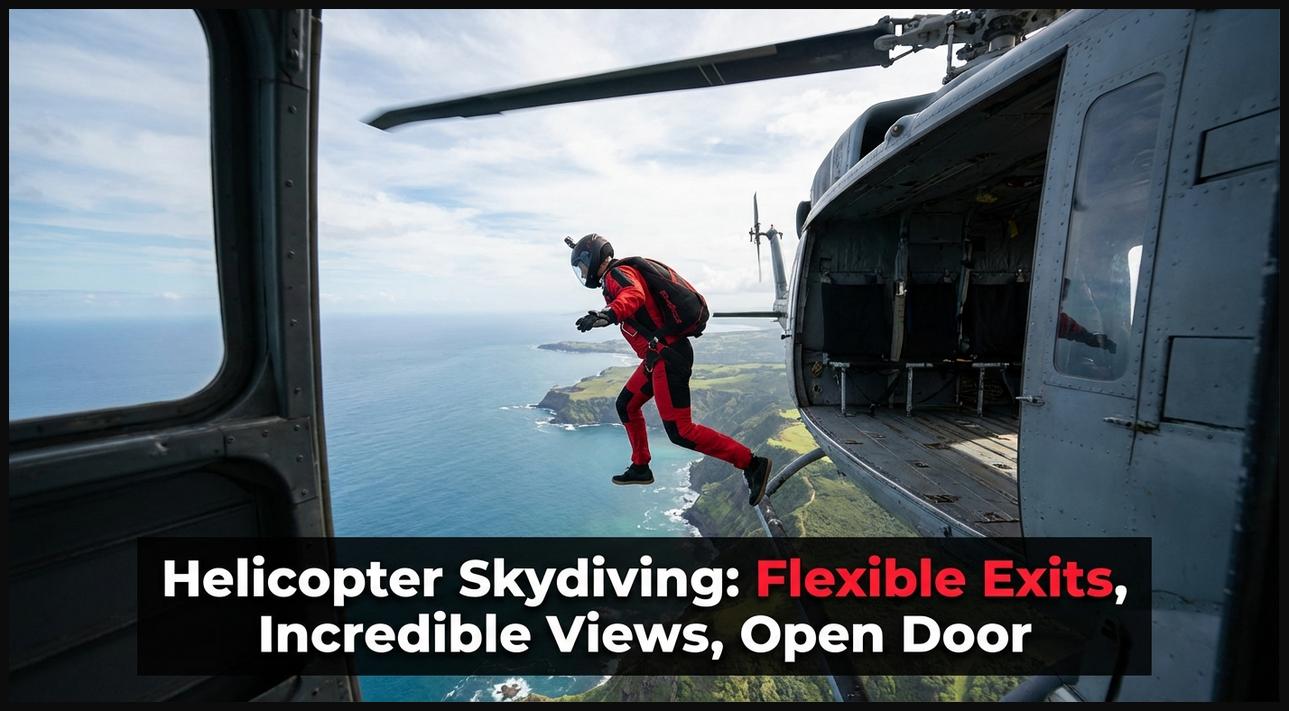
Skydiving from a helicopter offers unparalleled flexibility in jump locations and exit styles. Helicopters can hover, allowing for stable exits, or fly at lower speeds, providing a different dynamic than fixed-wing aircraft. The door-off experience enhances the sensation.
This form of skydiving provides incredible views and unique photographic opportunities. It’s often used for specialized training or in remote areas where traditional airstrips aren’t available. The open-door experience is a highlight for many skydiving adventures.
| Feature | Detail |
|---|---|
| Launch Platform | Helicopter |
| Exit Versatility | High |
| View Quality | Excellent |
21. Water Landing Skydiving
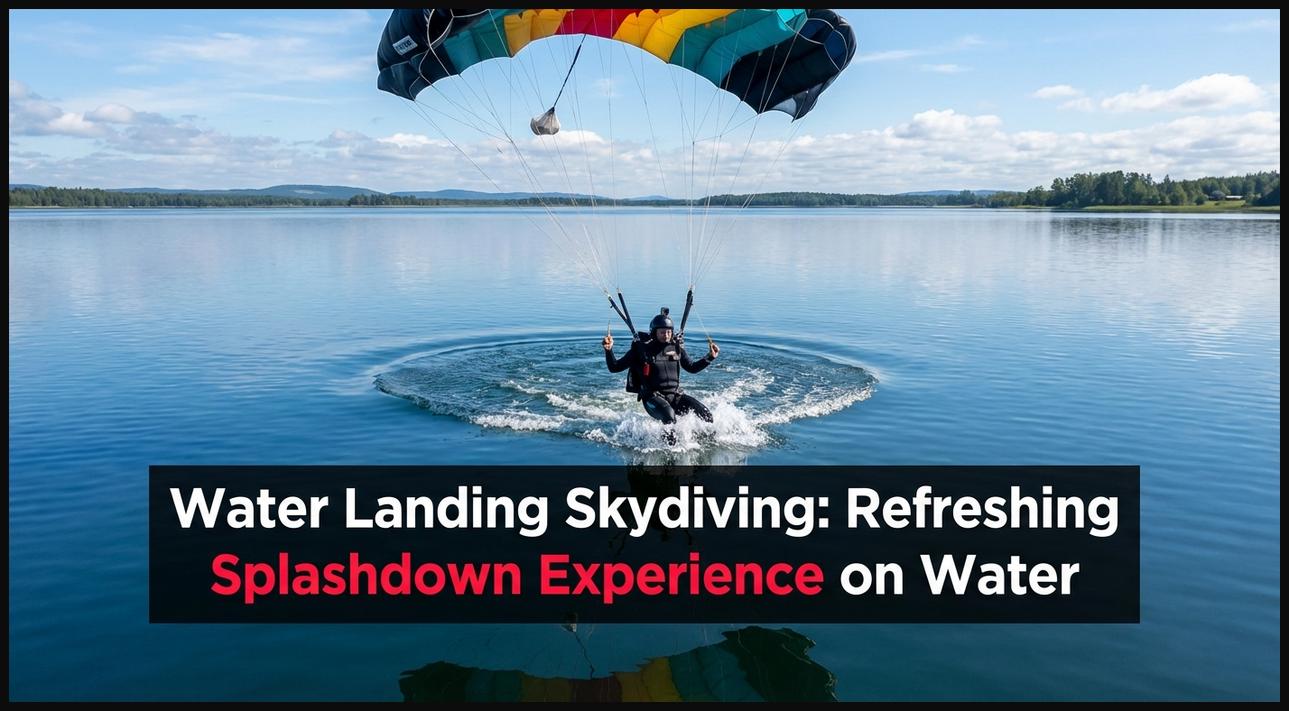
For an alternative landing experience, water landing skydiving involves deploying your parachute and aiming for a water body, such as a lake or ocean. This requires specialized training in water entry and equipment management, ensuring a safe splashdown.
Often performed near coastal areas or large lakes, this adventure provides an exhilarating and refreshing conclusion to your jump. It’s a unique option for those looking to add a different element to their parachuting skills, and often a prerequisite for some advanced ratings.
| Feature | Detail |
|---|---|
| Landing Site | Water |
| Safety Training | Specialized |
| Experience | Refreshing |
22. Multi-Aircraft Jumps

Imagine multiple aircraft flying in formation, with skydivers exiting simultaneously or in quick succession to create massive aerial displays. Multi-aircraft jumps are often organized for large formation attempts or special events, showcasing the scale of the skydiving community.
These events are a logistical marvel, requiring precise timing and coordination among pilots and jumpers. The sight of dozens or even hundreds of skydivers filling the sky is truly spectacular. It’s an epic demonstration of teamwork and mass participation in skydiving adventures.
| Feature | Detail |
|---|---|
| Aircraft Count | Multiple |
| Objective | Large Formations |
| Coordination | High |
23. World Record Formation Attempts

For experienced skydivers, participating in a world record formation attempt is the pinnacle of collaborative skydiving. These events bring together elite jumpers from around the globe, aiming to build the largest possible freefall formations. It’s a test of skill, endurance, and unity.
Months or even years of planning go into these complex attempts, often involving multiple training camps. The camaraderie and shared ambition are immense, culminating in a monumental achievement in the sky. These are the ultimate expressions of parachuting prowess.
| Feature | Detail |
|---|---|
| Goal | Record Breaking |
| Participants | Elite Jumpers |
| Challenge | Logistical & Skill |
24. Charity Jumps
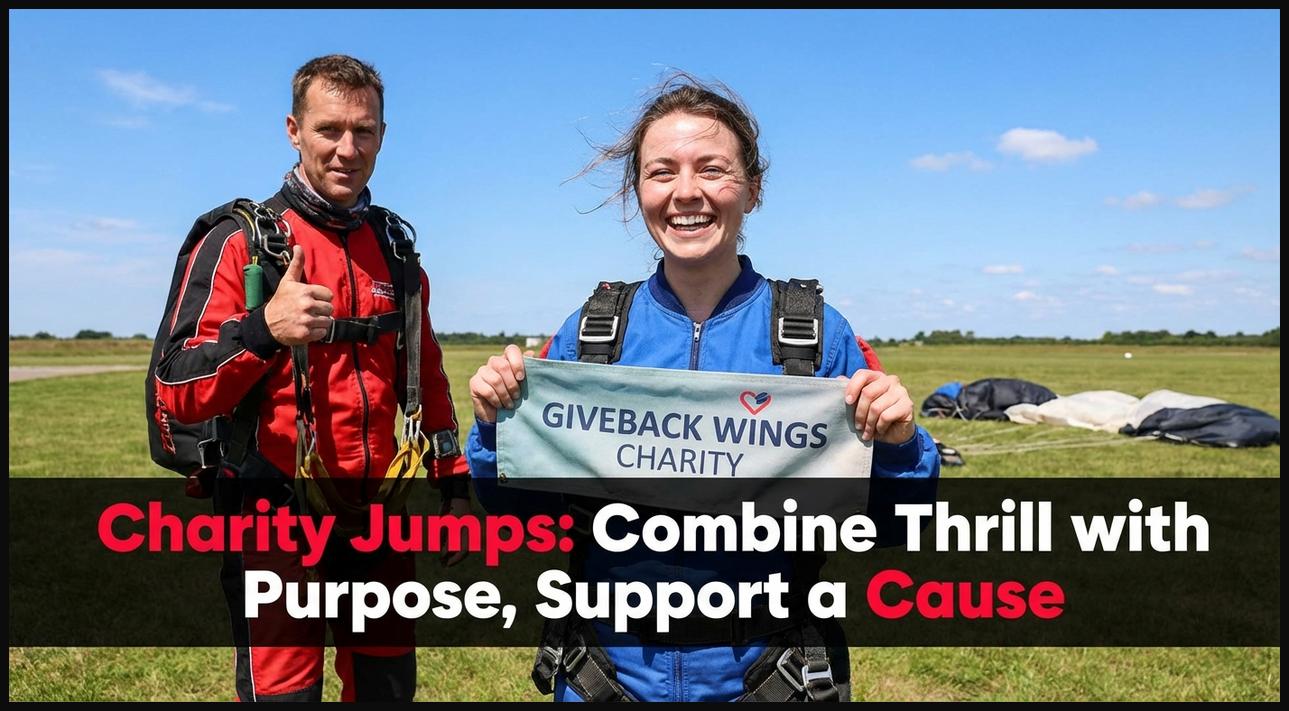
Combine your passion for skydiving with a good cause by participating in a charity jump. Many organizations host events where participants raise funds for various causes in exchange for a tandem skydive. It’s a way to give back while experiencing an unforgettable thrill.
This adventure offers a rewarding sense of purpose alongside the adrenaline rush. It’s a popular option for first-timers looking to tick off a bucket list item while contributing positively to the community. Join a charity jump in 2026 and make a difference!
| Feature | Detail |
|---|---|
| Purpose | Fundraising |
| Impact | Community |
| Experience | Rewarding |
25. Sunrise/Sunset Skydiving
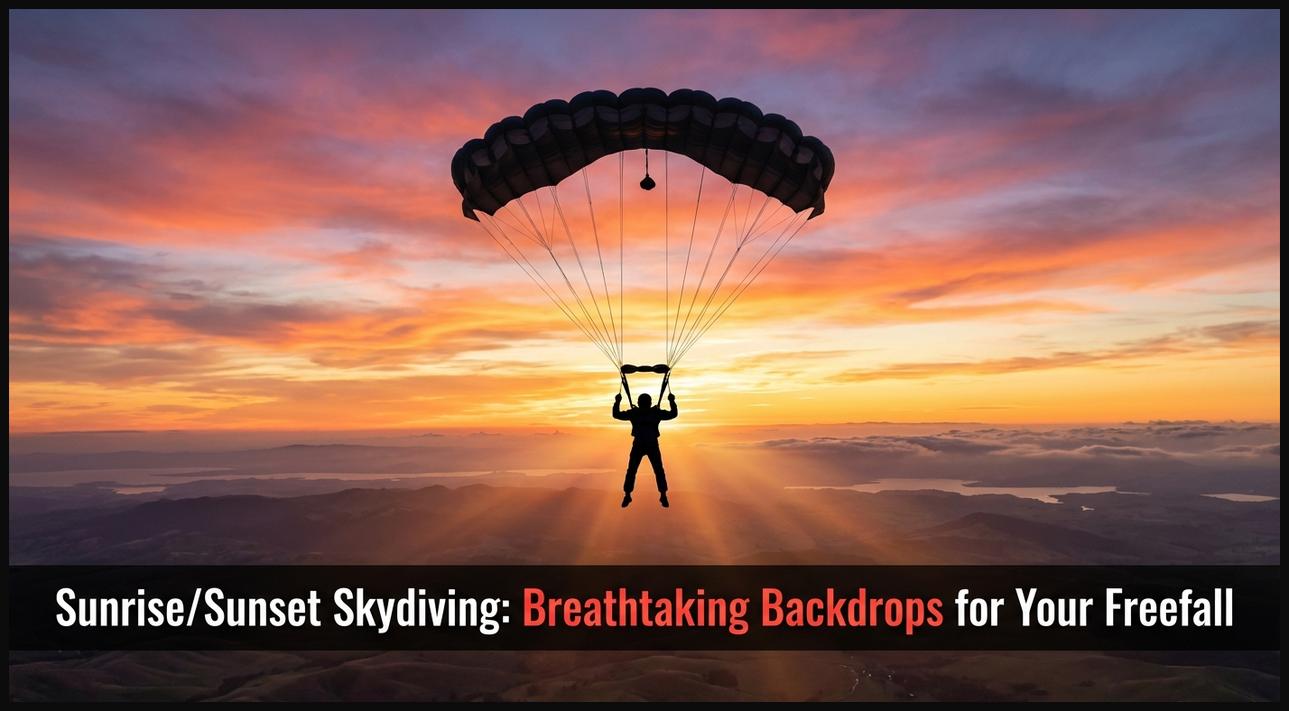
Timing your skydive with the rising or setting sun provides a truly magical experience. The vibrant colors painting the sky, casting long shadows, and illuminating the landscape create a breathtaking backdrop for your freefall and canopy ride. It’s an aesthetic delight.
These jumps offer unparalleled photographic opportunities and a serene atmosphere that contrasts with the high-octane thrill. Many drop zones offer these special time slots for those seeking an extra layer of beauty in their skydiving adventures. It’s a moment of pure wonder.
| Feature | Detail |
|---|---|
| Time of Day | Dawn/Dusk |
| Scenery | Breathtaking Colors |
| Photography | Excellent |
26. Theme Jumps (Costumes, Events)

Add a fun twist to your skydiving experience with a theme jump! Participants often wear costumes, celebrate holidays, or partake in special events while jumping. From Santa Claus jumps to superhero formations, these bring a playful element to the sport.
Theme jumps create memorable experiences and foster a sense of community among skydivers. They are a great way to personalize your adventure and capture unique photos and videos. Look out for special themed parachuting events planned for 2026!
| Feature | Detail |
|---|---|
| Style | Playful |
| Occasion | Events/Holidays |
| Memorability | High |
27. Cross-Country Skydiving
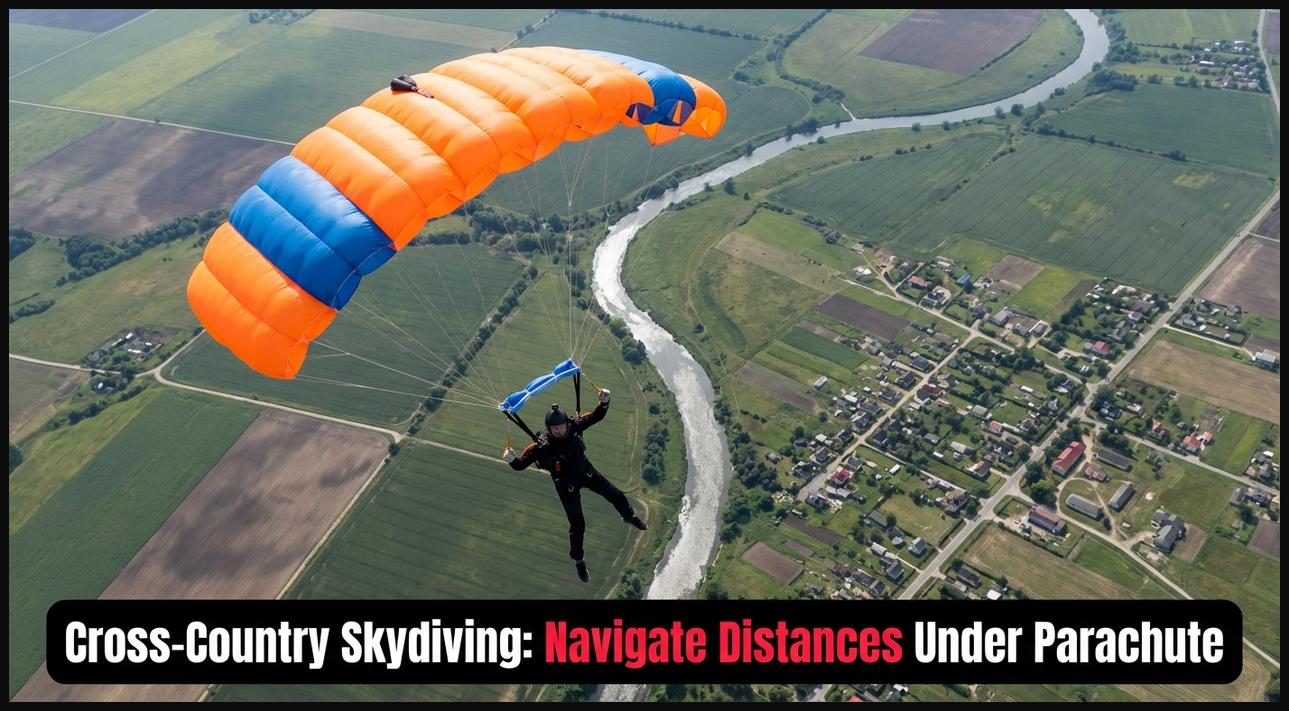
Cross-country skydiving involves jumping from one location and aiming to land in a different, often distant, spot. This requires advanced navigation skills under canopy, using wind patterns and terrain features to travel significant distances. It’s an endurance and precision challenge.
These adventures are for experienced canopy pilots who enjoy the strategic aspect of flight. It turns a single jump into a journey, exploring the landscape from above as you guide your parachute. It’s a unique blend of adventure and aerial navigation.
| Feature | Detail |
|---|---|
| Objective | Distance Travel |
| Skill Focus | Navigation |
| Challenge | Endurance |
28. Hybrid Skydiving (Multiple Disciplines)
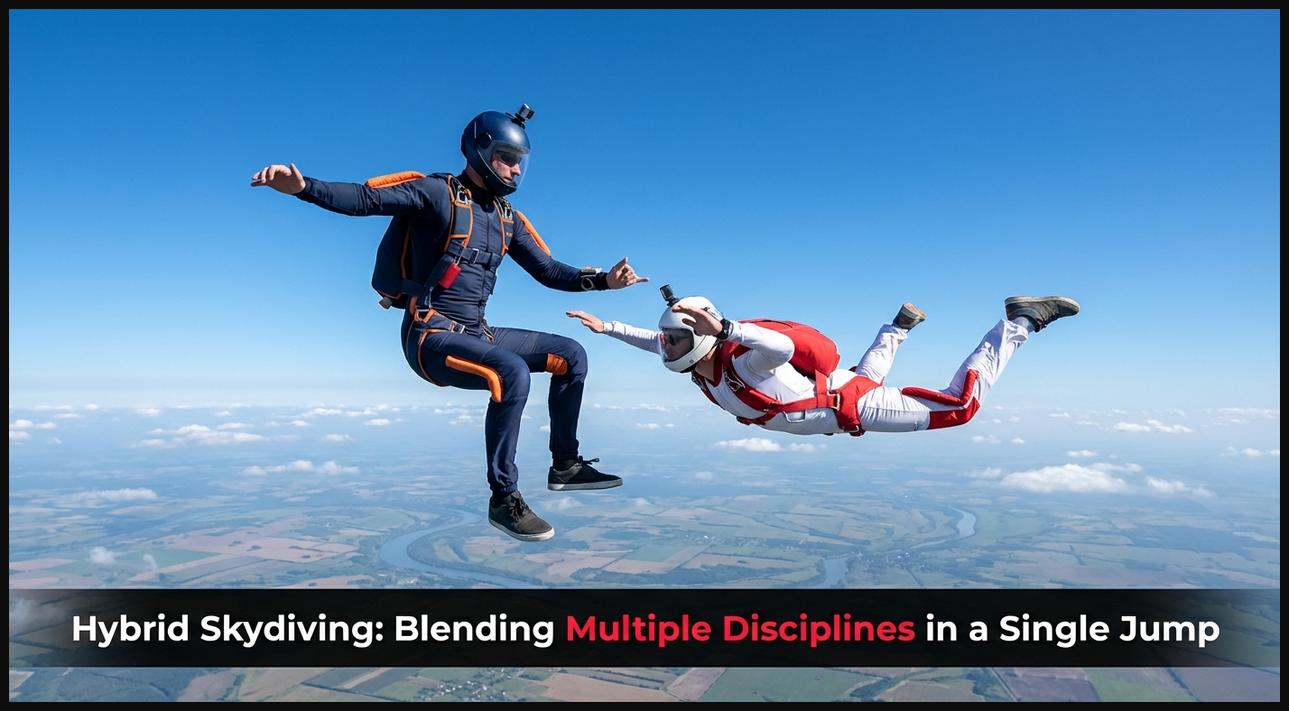
Hybrid skydiving combines elements from various disciplines within a single jump. For instance, a freeflyer might transition into a formation with belly flyers, or a wing suit pilot might deploy their main parachute and then perform CRW maneuvers. It requires versatility.
This advanced style showcases a jumper’s comprehensive skill set and adaptability in the air. It’s about blending different forms of flight into a seamless, dynamic sequence. Hybrid jumps are a testament to mastering the diverse world of skydiving adventures.
| Feature | Detail |
|---|---|
| Style | Versatile |
| Disciplines | Blended |
| Skill Focus | Adaptability |
29. Skydive with a Camera (Filming)
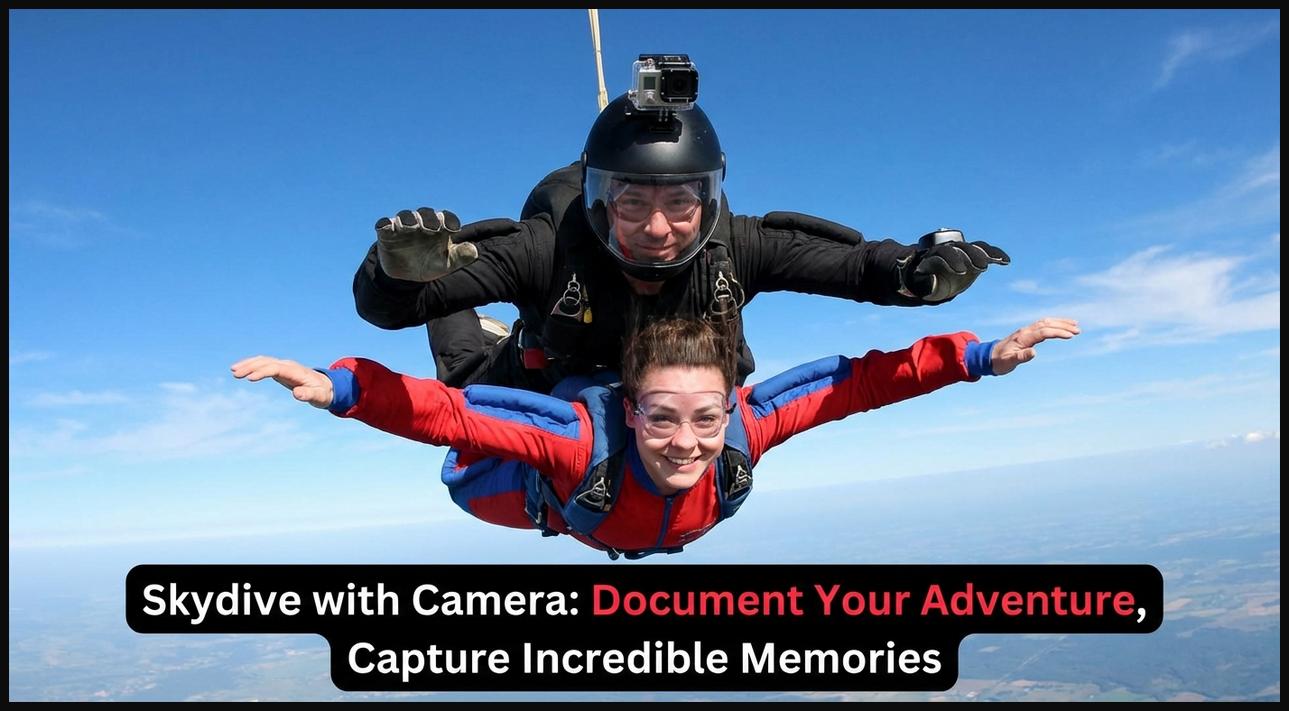
Document your entire parachuting experience by jumping with a camera, either personally or with a dedicated cameraman. This allows you to relive the freefall, the canopy ride, and the landing, sharing your adventure with others. Many drop zones offer video packages for tandem jumps.
For licensed jumpers, learning to film others in freefall is a skill in itself, requiring precision flying while operating equipment. Capturing these incredible moments helps preserve the memory of your parachuting journey. Share your 2026 skydiving memories!
| Feature | Detail |
|---|---|
| Objective | Documentation |
| Equipment | Cameras |
| Benefit | Memories |
30. Zero-Gravity Skydiving (Parabolic Flight)
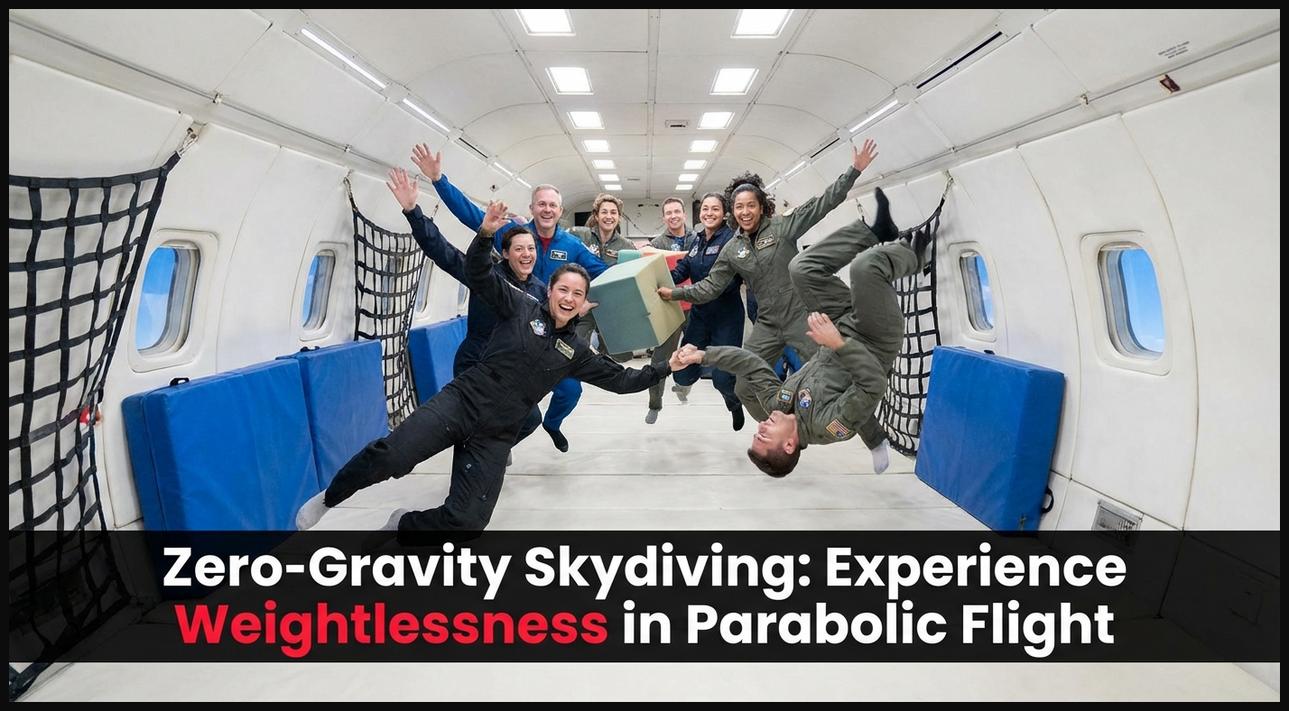
While not a traditional skydive out of an aircraft, zero-gravity skydiving (often called a parabolic flight or “vomit comet”) simulates the feeling of freefall within an aircraft. Planes fly in parabolas, creating short periods of weightlessness for passengers, mimicking true zero-G.
This unique experience offers a taste of space travel and extended freefall without ever leaving the plane. It’s a fantastic alternative or precursor to actual skydiving, offering a different kind of aerial thrill. Experience true weightlessness in 2026!
| Feature | Detail |
|---|---|
| Experience | Weightlessness |
| Platform | Aircraft (Internal) |
| Simulation | Freefall |
FAQs
What is the minimum age for parachuting in 2026?
Most skydiving centers around the world require participants to be at least 18 years old. This is a standard safety regulation, ensuring that individuals are legally adults and can make informed decisions. Some locations might have additional weight or health requirements, so it’s always best to check with your chosen drop zone before booking your skydiving adventures.
Is parachuting safe for beginners?
Yes, parachuting, especially tandem skydiving, is very safe for beginners. You are securely harnessed to a highly experienced and certified instructor who manages all aspects of the jump, from exit to landing. Modern equipment is reliable, and safety standards are rigorously maintained globally in 2026, making it an accessible thrill for almost anyone.
How long does the freefall last during a typical skydive?
The duration of freefall depends on the altitude from which you jump. For a standard tandem skydive from 10,000 to 14,000 feet, the freefall typically lasts between 30 to 60 seconds. After the parachute deploys, you’ll have a much longer, gentler canopy ride, usually lasting 5-7 minutes, offering serene views during your descent.
Conclusion
From exhilarating tandem jumps for beginners to highly specialized challenges like wing suit proximity flying and world record attempts, the world of parachuting offers an incredible array of adventures for every level of thrill-seeker. Whether you’re planning your first jump or looking for your next extreme aerial challenge in 2026, the sky truly is the limit. Embrace the call of the wild blue yonder and discover the breathtaking freedom that awaits you above the clouds.
“`